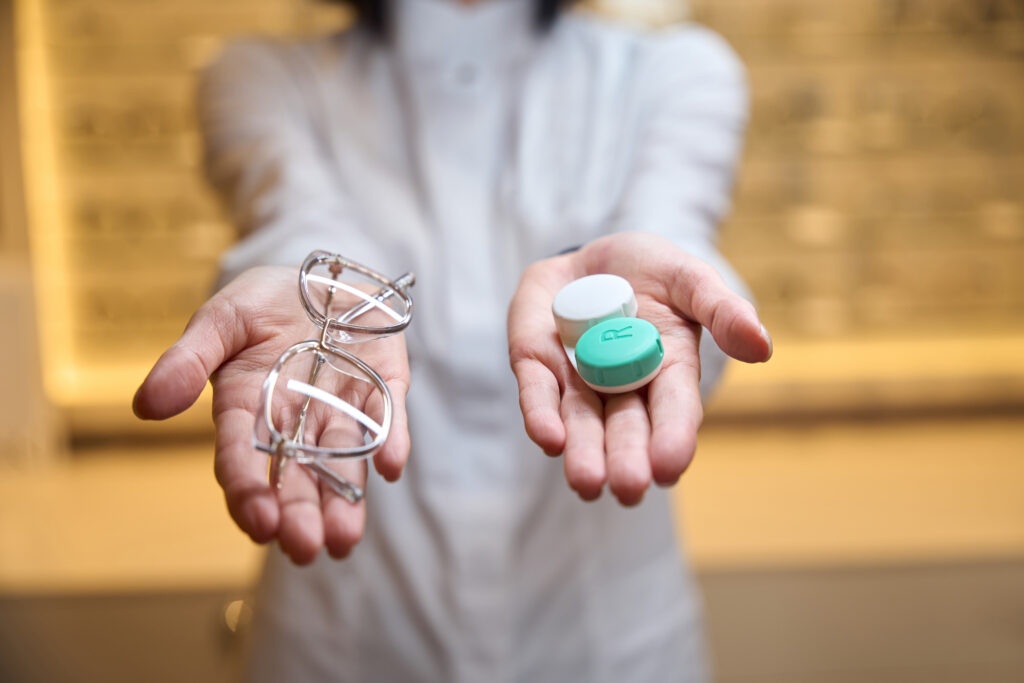
Contact Lens vs. Glasses: Which is Better for Eye Health?
When it comes to correcting vision, both contact lenses and glasses are excellent options. Choosing between them depends on preference, lifestyle, and long-term eye health goals. Many patients consult an Eye Doctor in Banashankari to understand which option fits their vision needs best. Below is a breakdown of the pros and cons of each, plus essential safety tips for contact lens users.
Glasses: Pros and Cons
Advantages of Glasses
- Less Risk of Eye Infections: Glasses do not touch the eyes directly, so irritation and infection risks are low. For people prone to allergies or dryness, they remain a safer option favored by Eye Doctors in Banashankari.
- Ease of Use: They are simple to wear, remove, and maintain. No special solutions or handling routines are required.
- Cost-Effective Over Time: Although the initial investment may be higher, a quality pair can last for years with proper care.
- UV and Blue Light Protection: Modern lenses can include anti-reflective coatings and blue light filters to minimize digital eye strain.
- Fashion Statement: Frames act as accessories, allowing you to personalize your look.
Disadvantages of Glasses
- Weather Limitations: Glasses can fog up or collect droplets during rain, which interrupts vision.
- Peripheral Vision Limits: Frame edges can reduce side vision compared to contacts.
- Can Feel Bulky: Some people find glasses uncomfortable for sports or workouts.
- Pressure Points: Nose pads and temples may cause discomfort if poorly adjusted.
Contact Lenses: Pros and Cons
Advantages of Contact Lenses
- Natural Vision: Contacts sit directly on the eye, offering a wider field of view without frame interference.
- No Fogging: Lenses stay clear regardless of weather conditions.
- Better Aesthetics: They showcase your natural face and can even change eye color if desired.
- Comfort During Activity: Contacts stay in place during sports, making them ideal for active lifestyles.
Disadvantages of Contact Lenses
- Increased Risk of Infection: Improper cleaning can introduce bacteria to the eye. Regular visits to an Eye Doctor in Banashankari help monitor eye health.
- Maintenance Required: Lenses need daily cleaning, proper storage, and careful handling.
- Dryness and Irritation: Extended wear, especially in air-conditioned spaces, can cause discomfort.
- Higher Long-Term Costs: Contacts require replacements and solutions, which can add up over time.
Safety Tips for Long-Term Contact Lens Users
Prefer contacts? Follow these safety tips shared by Eye Doctors in Banashankari:
- Wash and Dry Hands: Always clean hands before touching lenses to reduce infection risk.
- Follow the Replacement Schedule: Replace daily, bi-weekly, or monthly lenses on time to avoid buildup.
- Do Not Sleep in Lenses: Unless prescribed, remove lenses before bed to maintain corneal oxygen levels.
- Use Proper Solutions: Clean and store lenses with fresh solution; never use tap water.
- Avoid Overwearing: Give your eyes breaks by switching to glasses regularly.
- Schedule Regular Checkups: Routine visits allow your doctor to track changes and keep your eyes healthy.
Which is Better for Eye Health?
Both options have strengths. Glasses are low maintenance and safe for people prone to infections or allergies. Contact lenses deliver natural vision and convenience for active routines but demand diligent care and professional monitoring.
For many, a hybrid approach works best: glasses for everyday wear and contacts for sports, events, or special occasions. Consulting with an experienced Eye Doctor in Banashankari helps you tailor a plan to your lifestyle.
Conclusion
Choosing between contact lenses and glasses ultimately depends on how you live and how committed you are to maintenance. Glasses offer simplicity and safety, while contact lenses provide versatility and wider vision. Prioritize eye health through proper hygiene, protective habits, and regular eye exams to keep your vision clear for years to come.