AI-Driven Eye Screening: How Modern Technology Can Detect Eye Diseases Before Symptoms Appear
Looking For The Best Eye Specialist To Treat Glaucoma/Diabetic Retinopathy in Bangalore?
Eye diseases often progress silently, with many patients noticing changes only when the condition becomes advanced. Today, modern ophthalmology has entered a new era with AI-driven eye screening, a breakthrough that helps detect diseases before symptoms appear. Clinics across India, including Bengaluru, are adopting AI retinal scan systems to deliver faster, more accurate, and preventive eye care.
As an eye specialist, Dr. Kiran Kumar believes the future of eye health lies in combining clinical expertise with advanced technology. Among the many benefits AI brings, its ability to identify early signs of glaucoma, macular degeneration, and especially diabetic retinopathy in Bangalore plays a crucial role in saving vision.
What Is AI-Driven Eye Screening?
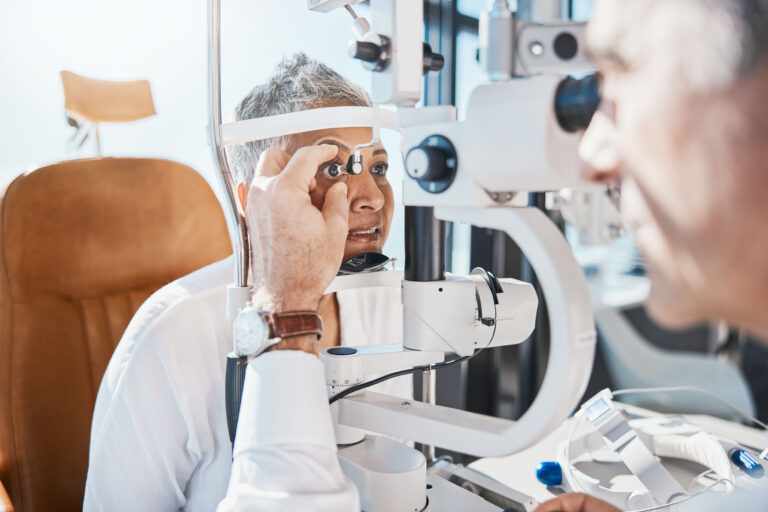
AI-driven screening uses powerful algorithms trained on millions of retinal images. These systems analyze the retina, optic nerve, and blood vessels to detect patterns that indicate early disease. The technology delivers results in seconds and helps ophthalmologists detect abnormalities far earlier than traditional methods.
Key Features of AI Eye Screening
- Extremely high accuracy compared to manual-only exams
- Instant image analysis for faster clinical decisions
- Helps catch early, hidden disease before symptoms appear
- Minimizes subjective errors between examiners
- Improves patient monitoring over time with better records
AI Retinal Scans: A Revolution in Early Detection
Retinal scans have always been central to eye health assessment. Now, with AI-enhanced analysis, these scans become more powerful. The AI tool compares each scan with large global datasets and identifies even the smallest signs of troublechanges that human eyes might miss. This is especially important for conditions like diabetic retinopathy in Bangalore, where millions of people living with diabetes are at risk of sight-threatening complications.
How AI Retinal Scans Work
- A high-resolution camera captures your retinal image.
- AI software evaluates patterns, vessel thickness, colors, and microaneurysms.
- The system generates a risk score or early warning report.
- The doctor reviews the results and recommends the next steps.
This approach saves time and increases the chances of detecting disease at a stage where it is 100% treatable.
Early Detection of Glaucoma with AI
Glaucoma is called the silent thief of sight because it causes slow, painless vision loss. Many patients notice symptoms only after severe damage has occurred, but AI helps prevent this outcome.
How AI Helps in Glaucoma Detection
- Measures optic nerve changes with high precision
- Tracks cup-to-disc ratio automatically
- Identifies nerve fiber thinning in early phases
- Detects progression over months or years for better follow-up
Since glaucoma can affect anyone above 40, early screening with AI is one of the best preventive tools available today.
AI and Diabetic Retinopathy: A Life-Changing Advancement
Diabetes affects the tiny blood vessels in the retina. Damage begins slowly and without symptoms, making routine screening essential. With Bengaluru's rising diabetic population, clinics are prioritizing AI screening for diabetic retinopathy.
Benefits of AI in Diabetic Retinopathy Detection
- Identifies early microvascular changes invisible to the naked eye
- Detects microaneurysms, hemorrhages, and exudates quickly
- Alerts the doctor before major complications develop
- Helps track changes at every follow-up visit for better control
When detected early, diabetic retinopathy can be managed effectively with laser treatment, injections, lifestyle modifications, and strict sugar control. AI ensures patients get timely careoften before irreversible damage begins.
How AI Improves Accuracy and Speed in Eye Screening
Traditional eye screening depends on manual interpretation and may take longer, especially for complex cases. AI adds precision and speed by running every scan through proven models.
Advantages for Patients
- Faster diagnosis reduces waiting time
- More accurate results improve treatment planning
- Helps avoid unnecessary tests or referrals
- Provides reliable second-opinion support for peace of mind
From monitoring glaucoma progression to preventing vision loss from diabetic retinopathy in Bangalore, AI empowers both patients and doctors with real-time, data-backed insights.
Why AI Screening Is the Future of Ophthalmology
The combination of clinical expertise and advanced algorithms gives patients the highest level of care. As healthcare moves toward preventive models, AI plays a central role in ensuring no disease goes unnoticed.
What Patients Can Expect in the Future
- Fully automated screenings for faster visits
- Personalized risk profiles based on lifestyle and history
- Real-time monitoring apps connected to your doctor
- More accurate long-term predictions using predictive analytics
- Faster treatment decisions with less guesswork
AI does not replace ophthalmologistsit enhances their ability to deliver exceptional care.
Book an Appointment
Protect your vision with advanced AI-driven eye screening at our clinic in JP Nagar.
Kiran Eye Hospital
20, Ground Floor, Vishnu Towers, ITI Layout, 1st Phase,
J. P. Nagar, Bengaluru, Karnataka 560078
Call: +91 8105681057
Email: info@kiraneyehospital.com
Your eyesight deserves expert careBook your appointment today!
Frequently Asked Questions (FAQs)
1. How does AI help detect eye diseases early?
AI analyzes retinal images using algorithms trained on millions of samples and detects tiny abnormalities that may be invisible during normal screening.
2. Is AI screening useful for diabetic retinopathy?
Yes. AI identifies early vascular changes, helping with timely management of diabetic retinopathy in Bangalore and reducing the risk of severe vision loss.
3. Is AI eye screening safe?
Absolutely. It is a non-invasive, quick, and safe procedure that uses imaging technology without radiation.
4. Who should undergo AI eye screening?
People with diabetes, hypertension, glaucoma risk, a family history of eye disease, adults over 40, and anyone with vision symptoms should undergo screening.
5. Does AI replace the ophthalmologist?
No. AI supports the doctor by improving accuracy and speed, but final diagnosis and treatment decisions are made by the specialist.